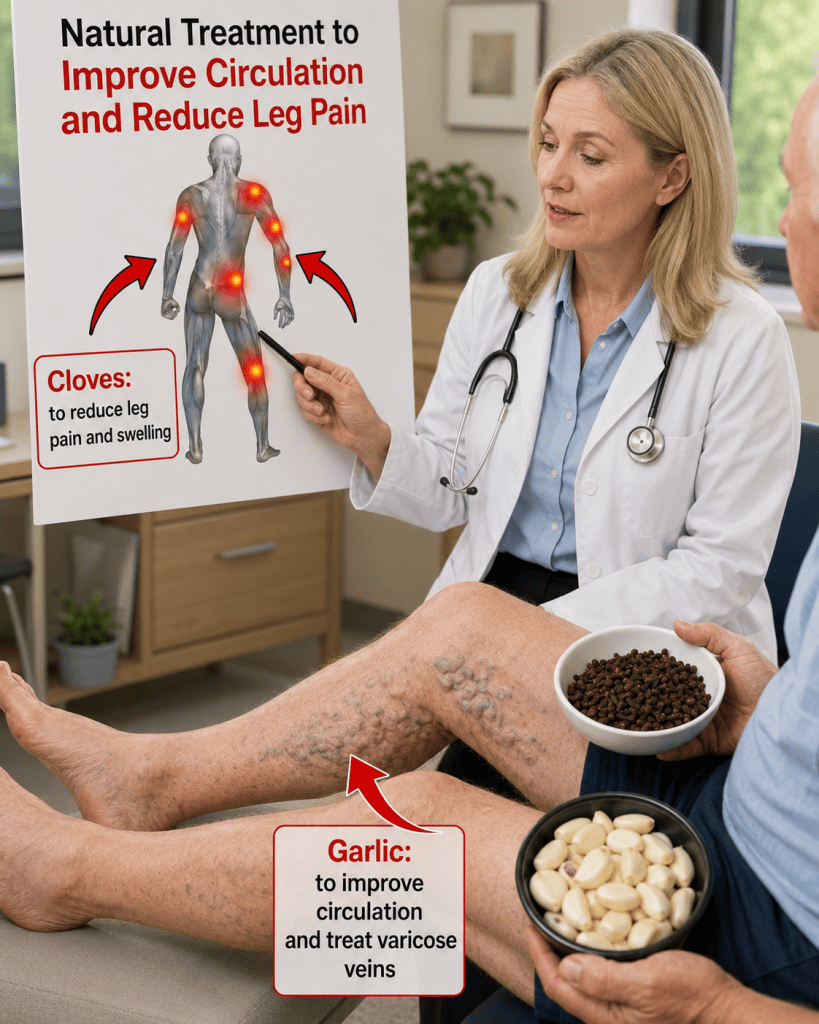
Do You Often Experience Heavy, Aching Legs?
Many people live with tired, swollen, or uncomfortable legs every day. Conditions such as varicose veins, arthritis, and rheumatism can make walking, standing, or even completing simple daily tasks feel more challenging.
While these conditions require proper medical care when needed, healthy lifestyle habits may help support circulation, improve mobility, and promote overall leg comfort. Small, consistent changes can often make a meaningful difference over time.
Let’s explore several natural habits that many people include in their daily wellness routine.
1. Stay Active Every Day
Regular movement is one of the simplest ways to support healthy circulation.
Low-impact activities such as:
- Walking
- Gentle stretching
- Swimming
- Cycling
- Light yoga
can encourage blood flow, reduce feelings of stiffness, and help keep muscles and joints flexible.
Even 10–20 minutes of movement each day can contribute to better leg comfort.
Tip: If your job requires sitting or standing for long periods, try taking a short walking break every hour.
2. Elevate Your Legs When Possible
Raising your legs above heart level for several minutes may help encourage healthy blood flow back toward the heart.
Many people enjoy doing this:
- After work
- Before bedtime
- Following long periods of standing
This simple habit may help reduce the feeling of tired, heavy legs after a busy day.
3. Eat a Nutrient-Rich Diet
Good nutrition supports both vascular and joint health.
Consider including more:
- Colorful fruits
- Leafy green vegetables
- Nuts and seeds
- Whole grains
- Legumes
- Healthy fats such as olive oil
Foods naturally rich in antioxidants may help support the body’s normal response to everyday oxidative stress.
Maintaining a healthy body weight may also reduce pressure on both joints and leg veins.
4. Stay Well Hydrated
Water plays an important role in nearly every function of the body.
Drinking enough fluids throughout the day helps support:
- Healthy circulation
- Normal tissue function
- Joint lubrication
- Overall wellness
Many people underestimate how much proper hydration contributes to everyday comfort.
5. Avoid Remaining in One Position Too Long
Whether sitting at a desk or standing for hours, staying in the same position for extended periods may contribute to leg discomfort.
Simple movements can help, including:
- Rolling your ankles
- Flexing your feet
- Stretching your calves
- Taking short walks
Frequent movement helps keep your body active throughout the day.
6. Enjoy Gentle Leg Massage
A light massage may provide a relaxing sensation while encouraging local circulation.
Using gentle upward strokes—from the ankles toward the knees—can be a soothing addition to an evening self-care routine.
Avoid applying strong pressure over areas that are painful or visibly swollen, and consult a healthcare professional if you have concerns about massage safety.
7. Prioritize Quality Sleep
Your body performs many important repair and recovery processes while you sleep.
Getting enough restful sleep may help support:
- Daily energy levels
- Muscle recovery
- Joint comfort
- Overall well-being
Creating a consistent bedtime routine can benefit both physical and mental health.
8. Take Good Care of Your Joints
People living with arthritis or rheumatism often benefit from a comprehensive approach that includes:
- Regular gentle exercise
- Balanced nutrition
- Maintaining a healthy weight
- Following medical guidance
- Protecting joints during daily activities
Small daily habits can help support long-term mobility and independence.
Additional Tips for Healthier Legs
You may also find these simple habits helpful:
- Wear comfortable, supportive footwear.
- Stretch before and after physical activity.
- Avoid smoking, as it can negatively affect circulation.
- Consider compression stockings if recommended by your healthcare provider.
- Manage stress through relaxation techniques such as deep breathing or meditation.
When Should You See a Healthcare Professional?
Seek medical advice if you experience:
- Sudden swelling in one leg
- Severe or persistent pain
- Skin discoloration or ulcers
- Difficulty walking that worsens over time
- Symptoms that do not improve with self-care
Early evaluation can help identify the underlying cause and guide appropriate treatment.
Final Thoughts
Varicose veins, arthritis, and rheumatism can affect comfort and mobility, but healthy daily habits may help support better circulation, reduce feelings of heaviness, and promote overall leg wellness.
Simple practices such as staying active, eating nutritious foods, drinking enough water, elevating your legs, sleeping well, and caring for your joints can become valuable parts of a long-term wellness routine.
These natural lifestyle strategies are designed to support overall health and should complement—not replace—the advice and treatment provided by a qualified healthcare professional.
