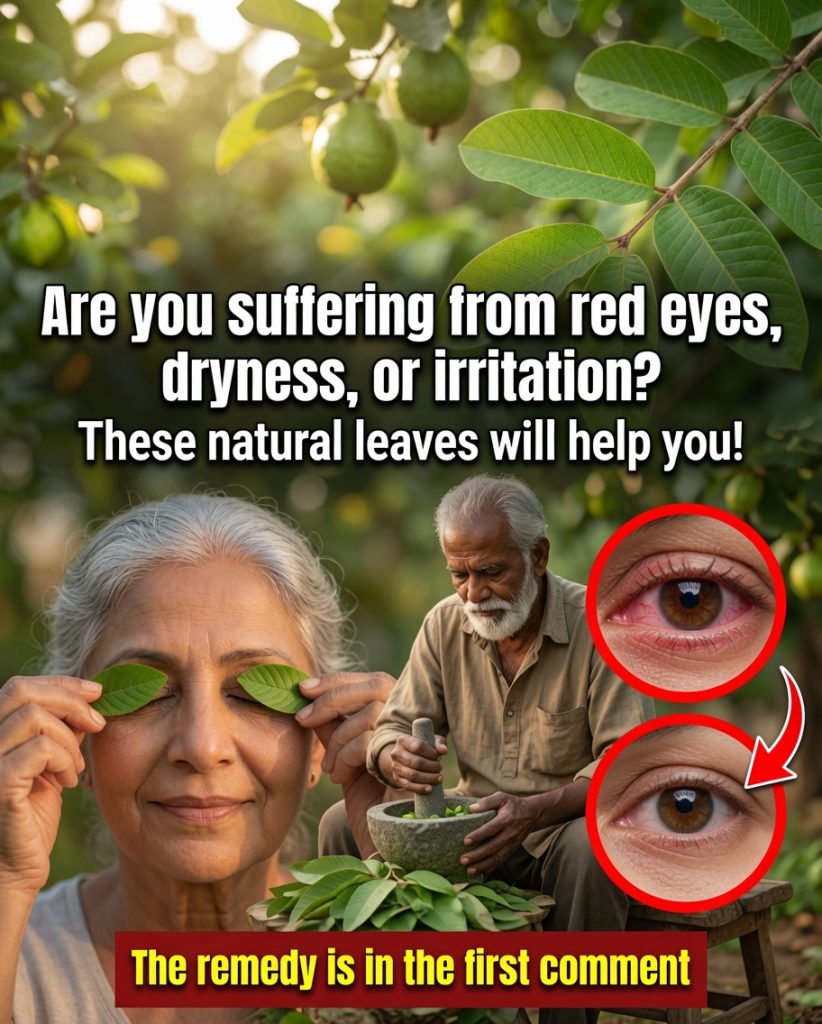
When people think about supporting eye health, carrots often come to mind first. Yet another tropical fruit deserves attention: guava. Rich in vitamin C, antioxidants, and beneficial plant compounds, guava has long been appreciated in traditional wellness practices for promoting overall health—including supporting healthy eyes.
While guava is not a treatment for eye diseases, its impressive nutritional profile may help protect the eyes from everyday oxidative stress and support long-term visual wellness as part of a balanced lifestyle.
Let’s explore how guava has traditionally been used, what modern research suggests, and how to enjoy it safely.
Why Is Guava Considered Beneficial for Eye Health?
Guava (Psidium guajava) is packed with nutrients that play important roles in maintaining healthy tissues throughout the body, including the eyes.
Rich in Vitamin C
Guava is one of nature’s richest sources of vitamin C.
Vitamin C contributes to:
Supporting healthy blood vessels in the eyes
Helping protect eye tissues from oxidative stress
Supporting collagen production
Contributing to normal immune function
A diet rich in vitamin C has also been associated with maintaining healthy vision as we age.
Powerful Natural Antioxidants
Guava contains antioxidants such as:
Flavonoids
Lycopene (especially in pink guava)
Carotenoids
Polyphenols
These compounds help neutralize free radicals that can affect cells throughout the body, including delicate eye tissues.
Naturally Soothing Plant Compounds
Traditional herbal practices have used guava leaves for their naturally soothing properties.
Although more clinical research is needed, laboratory studies suggest that guava leaves contain compounds with antioxidant and anti-inflammatory activity that may support overall skin and tissue wellness.
Traditional Ways Guava Has Been Used for Eye Comfort
These methods come from traditional wellness practices and should be viewed as complementary self-care—not medical treatment.
1. Warm Guava Leaf Compress
A warm compress may help promote relaxation after long hours spent reading or using digital devices.
Ingredients
5–6 fresh guava leaves
500 ml clean water
Instructions
Wash the leaves thoroughly.
Simmer them in water for about 10 minutes.
Strain the liquid carefully.
Allow it to cool until comfortably warm.
Soak a clean cloth in the liquid.
Place the cloth gently over closed eyelids for 5–10 minutes.
Many people find this routine soothing after a busy day.
Important: Never allow homemade herbal liquid to enter the eyes.
2. Eye Area Skin Care with Guava Extract
Several cosmetic products include guava extract because of its antioxidant content.
These products may help support:
Skin hydration
A refreshed appearance around the eyes
Reduced appearance of puffiness
Healthier-looking skin
Always choose products specifically formulated for the delicate eye area and perform a patch test before first use.
3. Nourish Your Eyes from Within
Perhaps the easiest way to enjoy guava’s benefits is by including it in a balanced diet.
Refreshing Eye-Friendly Smoothie
Ingredients
1 ripe guava
1 small carrot
A handful of fresh spinach
1 cup water
Optional: a squeeze of fresh lemon
Directions
Blend until smooth and enjoy immediately.
This colorful smoothie provides:
Vitamin C
Beta-carotene
Natural antioxidants
Dietary fiber
Essential plant nutrients
What Does Science Say?
Research has shown that guava contains impressive levels of antioxidants and vitamin C, nutrients that contribute to overall health.
However, it’s important to understand that:
No strong clinical evidence shows guava can cure eye diseases.
Homemade herbal preparations should never replace prescribed eye treatments.
Eye conditions such as infections, glaucoma, cataracts, or sudden vision changes require professional medical evaluation.
Instead, guava is best viewed as one nutritious food that may help support healthy eyes as part of an overall healthy diet.
Everyday Habits That Support Healthy Vision
Nutrition is only one piece of eye care. Consider combining guava with healthy daily habits such as:
Eating colorful fruits and vegetables
Staying well hydrated
Wearing sunglasses outdoors
Limiting excessive screen time
Following the 20-20-20 rule during computer use
Getting regular eye examinations
Sleeping enough each night
These simple habits work together to help maintain comfortable, healthy eyes.
Safety Tips
Keep these precautions in mind:
Never place unsterilized homemade liquids directly into your eyes.
Stop using any product if irritation occurs.
Seek prompt medical care for eye pain, redness, injury, sudden vision changes, or persistent symptoms.
If you wear contact lenses or have an existing eye condition, consult your eye care professional before trying herbal remedies around the eyes.
Frequently Asked Questions
Can guava improve eyesight?
Guava provides nutrients that support overall eye health, but no food can instantly improve eyesight or reverse eye disease.
Are guava leaves safe for the eyes?
Warm compresses applied over closed eyelids have been used traditionally, but homemade liquids should never be used as eye drops unless specifically recommended by a qualified healthcare professional.
How often can I eat guava?
Fresh guava can be enjoyed regularly as part of a balanced diet, alongside a variety of fruits and vegetables.
Final Thoughts
Guava is much more than a delicious tropical fruit. Thanks to its abundance of vitamin C, antioxidants, and beneficial plant compounds, it can be a valuable addition to a healthy lifestyle that supports overall wellness—including eye health.
While traditional guava-based remedies may provide a soothing wellness ritual, the most reliable way to care for your vision is through balanced nutrition, healthy daily habits, and regular eye checkups.
Disclaimer: This article is intended for educational purposes only and should not be considered medical advice. It is not intended to diagnose, treat, cure, or prevent any disease. Always consult a qualified healthcare professional regarding concerns about your eye health.