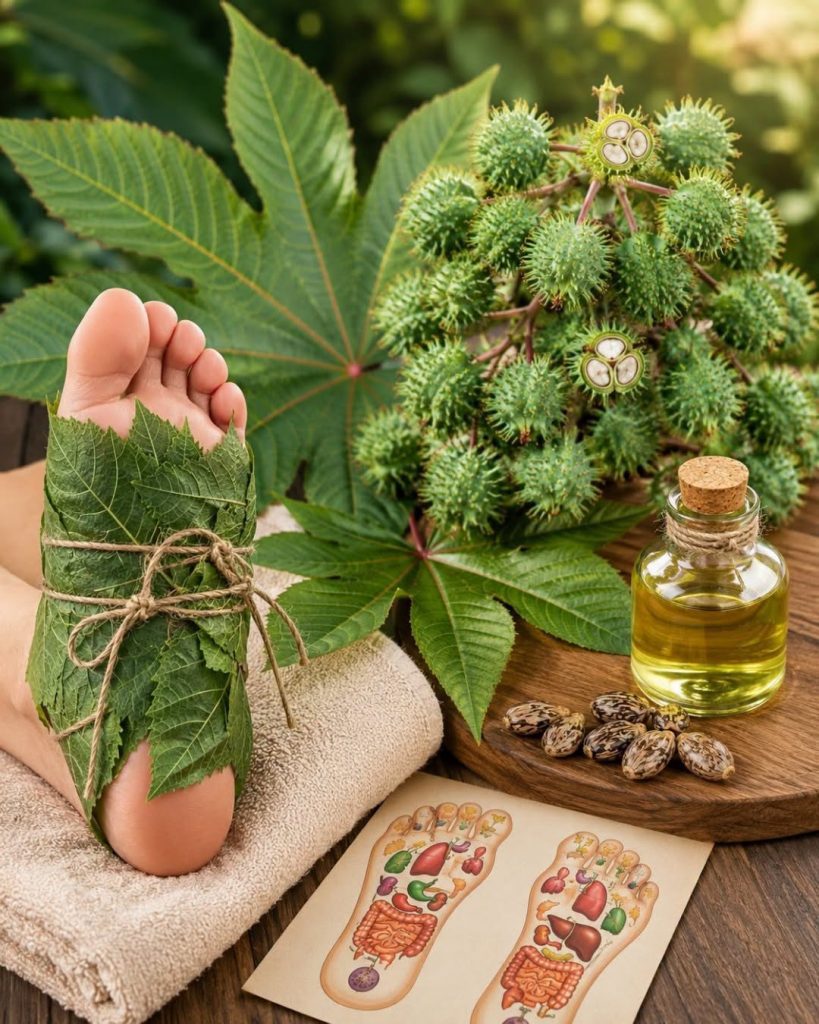
Jatropha curcas is a tropical shrub that has been used for generations in various traditional practices across parts of Latin America, Africa, and Asia. Depending on the region, it may also be known as physic nut, Barbados nut, or wild pinion.
Although this plant has a long history in folk traditions, it is important to understand that Jatropha curcas is considered toxic, especially its seeds and latex. Modern health authorities do not recommend consuming the plant as a home remedy because improper use may lead to serious poisoning.
This article explores its traditional uses, what science currently knows, and the precautions everyone should understand before handling this plant.
What Is Jatropha curcas?
Jatropha curcas belongs to the Euphorbiaceae family and grows well in warm tropical climates.
Traditionally, different parts of the plant have been used in local practices, including:
- Leaves
- Latex (sap)
- Seeds
- Bark
- Oil extracted from seeds
Today, the plant is also widely cultivated for industrial purposes, particularly as a potential source of biofuel.
Traditional Uses in Folk Practices
Historically, communities have used Jatropha curcas in various cultural remedies for:
- Supporting skin care
- Traditional massage preparations
- External applications for minor discomfort
- Agricultural and industrial purposes
However, traditional use does not necessarily mean safety or proven effectiveness. Scientific evidence for many of these applications remains limited.
Natural Compounds Found in the Plant
Researchers have identified several naturally occurring compounds in Jatropha curcas, including:
- Flavonoids
- Phenolic compounds
- Plant sterols
- Fatty acids
- Various bioactive substances
These compounds continue to be studied in laboratory settings, but research is still ongoing.
Traditional External Applications
Some traditional practices have involved external use only, such as oils or diluted preparations applied to the skin.
People have historically used these preparations to:
- Moisturize dry areas
- Massage tired muscles
- Support general skin comfort
Because the sap and oil may irritate the skin, a patch test is essential, and any redness, burning, or irritation should prompt immediate discontinuation.
Can the Plant Be Consumed?
This is where caution becomes extremely important.
Despite information sometimes shared online, the seeds, latex, and several other parts of Jatropha curcas contain toxic compounds.
Consuming the plant may cause:
- Severe nausea
- Vomiting
- Diarrhea
- Abdominal pain
- Dehydration
- More serious poisoning in larger amounts
For this reason, self-preparing teas, syrups, or drinks from Jatropha curcas is not recommended.
If accidental ingestion occurs, seek medical attention immediately.
Potential Areas of Scientific Research
Scientists continue studying Jatropha curcas because some of its natural compounds show interesting biological activity in laboratory research.
Current research has explored areas such as:
- Antioxidant properties
- Antimicrobial activity
- Plant-based industrial products
- Renewable energy production
These investigations are promising but should not be interpreted as proof that homemade remedies are safe or effective.
Important Safety Precautions
If you grow or handle Jatropha curcas, consider these precautions:
- Wear gloves when handling the plant.
- Avoid contact with the milky sap.
- Keep the plant away from children and pets.
- Never consume the seeds or homemade extracts.
- Wash your hands thoroughly after touching the plant.
Who Should Avoid Using It?
Extra caution is advised for:
- Pregnant women
- Breastfeeding mothers
- Children
- Older adults
- People with chronic medical conditions
- Anyone taking prescription medications
These groups should avoid medicinal use unless specifically advised by a qualified healthcare professional.
Frequently Asked Questions
Is Jatropha curcas edible?
No. Several parts of the plant are considered toxic, particularly the seeds and latex.
Can I make tea from the leaves?
Homemade teas or internal preparations from Jatropha curcas are not recommended because safety has not been established and toxic compounds may be present.
Is the plant useful for skin care?
Some traditional cultures have used external preparations, but skin irritation is possible. Always perform a patch test and discontinue use if irritation develops.
Is scientific research still ongoing?
Yes. Researchers continue investigating the plant’s chemical compounds for potential pharmaceutical and industrial applications, but this does not mean it has been proven safe for home medicinal use.
Final Thoughts
Jatropha curcas is an intriguing tropical plant with a long history in traditional practices and growing scientific interest. However, it is equally important to recognize that traditional use does not guarantee safety.
Because parts of the plant contain toxic substances, homemade internal remedies should be avoided. If you are interested in herbal wellness, choose plants with well-established safety profiles and consult a qualified healthcare professional before using any botanical product for health purposes.
Medical Disclaimer
This article is provided for educational and informational purposes only. It is not intended to diagnose, treat, cure, or prevent any disease. Jatropha curcas contains toxic compounds and should not be consumed as a home remedy. Always consult a qualified healthcare professional before using herbal products, especially if you are pregnant, breastfeeding, have chronic health conditions, or take prescription medications.