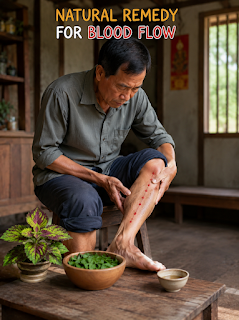
While medical care remains the first and most important approach, researchers have also explored how certain herbs and plant compounds may help support circulation, vascular function, and overall cardiovascular wellness.
⚠️ Important note: Natural remedies are supportive tools only. They are not a treatment or cure for blood clots and should never replace professional medical care.
Understanding Blood Clots in the Legs
A blood clot forms when blood thickens and creates a semi-solid mass inside a vessel. In the legs, this is commonly referred to as deep vein thrombosis (DVT).
Possible signs may include:
✅ Swelling in one leg
✅ Warmth or tenderness
✅ Pain or heaviness in the calf
✅ Changes in skin color
Common risk factors include:
- Long periods of sitting or immobility
- Recovery after surgery
- Smoking
- Excess body weight
- Certain medical conditions
- Reduced circulation
Early medical evaluation is essential whenever symptoms appear.
🌱 1. Ginger: A Traditional Root for Circulation Support
Ginger has been used for centuries in traditional wellness practices and remains one of the most researched herbs today.
Its active compounds — gingerols and natural salicylates — have attracted scientific interest because they may help support:
✔ Healthy blood flow
✔ Normal platelet activity
✔ Cardiovascular wellness
✔ Balanced inflammatory responses
Some studies suggest ginger may influence mechanisms involved in circulation, although more clinical research is still ongoing.
Easy Ways to Enjoy Ginger
- Warm ginger tea
- Fresh slices infused in water
- Added to soups and smoothies
- Combined with lemon and honey
🧄 2. Garlic: A Classic Ingredient for Heart-Friendly Nutrition
Garlic is widely appreciated not only in cooking but also in traditional wellness routines.
Its active component, allicin, has been studied for its potential role in:
🌿 Supporting circulation
🌿 Maintaining healthy blood pressure levels already within normal ranges
🌿 Supporting cardiovascular function
🌿 Promoting healthy blood flow
Regular inclusion of garlic in meals may complement a balanced lifestyle.
Simple Uses
- Fresh garlic in cooking
- Roasted garlic spreads
- Garlic-infused olive oil
- Homemade vegetable soups
🟡 3. Turmeric: Golden Support for Vascular Health
Turmeric contains curcumin, a natural compound known for antioxidant and anti-inflammatory properties.
Researchers have explored curcumin because it may help support:
✔ Vascular function
✔ Oxidative balance
✔ Healthy circulation
✔ General cardiovascular wellness
Although promising, turmeric should be viewed as part of an overall healthy routine, not as a preventive treatment.
Popular Ways to Use Turmeric
- Golden milk
- Herbal tea blends
- Smoothies
- Seasoning for vegetables and rice dishes
🌶️ 4. Cayenne Pepper and Natural Circulation Support
Cayenne pepper contains capsaicin, known for its warming effect.
Some research suggests capsaicin may contribute to:
- Supporting blood flow
- Healthy vessel function
- Comfortable circulation
- Balanced vascular activity
A small amount added to meals can easily become part of daily nutrition.
🍃 5. Ginkgo Biloba and Blood Flow Research
Ginkgo biloba is one of the most recognized herbs used in traditional herbal medicine.
Scientific interest focuses on its possible ability to help support:
🌱 Circulation to tissues
🌱 Vascular flexibility
🌱 Healthy blood movement
🌱 Cognitive and circulatory wellness
It is commonly used in supplement form and should be taken carefully, especially by people using medications.
🌰 6. Horse Chestnut for Vein Comfort
Horse chestnut extract contains aescin, a compound associated with vein support.
Research has explored its potential role in helping:
✔ Maintain vein tone
✔ Support leg comfort
✔ Reduce feelings of heaviness
✔ Encourage healthy circulation in the lower limbs
Because of its potency, standardized preparations are often preferred.
🍂 7. Cinnamon: More Than a Flavorful Spice
Cinnamon contains natural salicylate compounds and antioxidant substances that may support cardiovascular wellness.
Moderate use may contribute to:
- Heart-friendly nutrition
- Healthy circulation support
- Antioxidant intake
- Balanced lifestyle habits
Try adding cinnamon to:
☕ Herbal drinks
🥣 Oatmeal
🍎 Fruit bowls
🥤 Smoothies
Healthy Habits Matter Just as Much 🌿
Herbs work best when combined with supportive daily routines.
🚶 Move Regularly
Long periods of sitting may slow circulation. Gentle movement helps keep blood flowing.
💧 Stay Hydrated
Proper hydration supports normal blood viscosity and circulation.
⚖ Maintain a Healthy Weight
Balanced weight management may reduce pressure on veins and circulation.
🍓 Choose Antioxidant-Rich Foods
Berries, citrus fruits, leafy greens, and colorful vegetables provide nutrients that support vascular wellness.
Important Safety Reminder ⚠️
Many herbs can interact with medications — particularly blood-thinning medicines.
Speak with a healthcare professional before using herbal products if you:
- Have a history of blood clots
- Use anticoagulants or aspirin regularly
- Are pregnant
- Plan surgery
- Have cardiovascular conditions
Natural support should always be used responsibly.
Final Thoughts: Nature and Circulation Support Working Together 🌿❤️
Nature offers many traditional herbs that continue to attract scientific attention for their role in circulation and vascular wellness.
Ginger, garlic, turmeric, cayenne pepper, ginkgo biloba, horse chestnut, and cinnamon all contain compounds being studied for their potential influence on blood flow and vascular health.
However, the safest strategy combines:
✅ Professional medical guidance
✅ Healthy daily habits
✅ Balanced nutrition
✅ Responsible use of herbs
These natural allies may help support overall circulation and cardiovascular wellness — gently and as part of a healthy lifestyle.
💬 Do you include any of these herbs in your daily routine? Share your favorite natural wellness habits below.