🌸 Introduction
What if a plant you often walk past could quietly support your daily wellness? Goosegrass (Eleusine indica), sometimes called “wiregrass” or known locally as cỏ mần trầu in Vietnam, is a humble herb with a long history in traditional practices across Asia and Africa.
While modern science is still exploring its full potential, goosegrass is gaining attention among those interested in simple, plant-based routines. Let’s take a closer look at what makes this overlooked plant so interesting—and how it can be used thoughtfully and safely.
🌱 What Is Goosegrass?
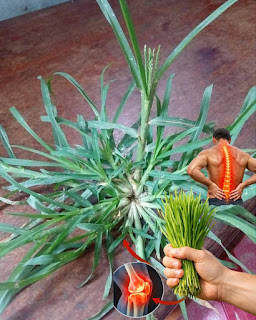
Goosegrass is a fast-growing annual plant commonly found in tropical and subtropical regions. You’ll often see it in gardens, roadsides, or rice fields. It typically grows 30–50 cm tall, with slender leaves arranged like a fan and small, spiky seed heads.
Although often treated as a weed, it has been used for generations in traditional herbal practices for its cooling and balancing properties.
💪 Potential Benefits of Goosegrass
Goosegrass has been traditionally valued for a range of supportive properties. While these uses are based on historical and early scientific observations, they should be seen as part of a balanced lifestyle—not a replacement for medical care.
🔥 Supports a Balanced Inflammatory Response
Natural plant compounds like flavonoids may help the body manage everyday inflammation and discomfort.
🌡️ Traditionally Used for Cooling the Body
In many cultures, goosegrass tea is enjoyed as a refreshing drink that may help the body feel more comfortable during warm conditions.
❤️ Supports Heart & Circulatory Health
Some early studies suggest it may help relax blood vessels, which could support healthy circulation when combined with a balanced diet.
🛡️ Liver Support in Traditional Use
In Vietnamese herbal traditions, goosegrass is often used as a “cooling” herb, believed to support liver balance and general detox routines.
🩺 Gentle Kidney Support
Its mild diuretic nature may help promote natural fluid balance, supporting the body’s normal elimination processes.
🛡️ Provides Antioxidants
Goosegrass contains vitamins and plant compounds that may help protect cells from everyday oxidative stress.
✨ Topical Skin Support
Fresh leaves have traditionally been applied externally to soothe minor skin irritations like insect bites or small rashes.
🍵 Simple Ways to Use Goosegrass
☕ Goosegrass Tea
Boil 1–2 tablespoons of fresh or dried leaves in water for 10–15 minutes. Let it cool slightly before drinking. Many people prefer it in the morning.
🩹 Herbal Poultice (External Use)
Crush fresh leaves into a paste and apply gently to clean skin for short periods (10–15 minutes), then rinse.
🥤 Blended into Smoothies
Young leaves can be added in small amounts to fruit smoothies for a mild, earthy note.
💊 Supplement Forms
In some regions, goosegrass is available as powder or capsules. Always follow product instructions and choose reputable sources.
🌍 A Thoughtful Approach in Modern Wellness
As interest in natural living grows, goosegrass is being rediscovered as a simple addition to daily routines. However, moderation is key. Because of its diuretic properties, excessive use may lead to dehydration.
👉 It’s best to consult a qualified professional if you are pregnant, breastfeeding, managing a health condition, or taking medication.
🚀 Why Goosegrass Deserves a Second Look
Goosegrass is a reminder that useful plants can grow in the most unexpected places. While it may look ordinary, its long-standing role in traditional wellness makes it worth exploring—carefully and respectfully.
Whether enjoyed as a warm tea or used externally, this humble herb can be a gentle addition to a balanced lifestyle.
🌿 Simple, natural, and rooted in tradition—sometimes the most overlooked plants have the most interesting stories to tell.Chia sẻ