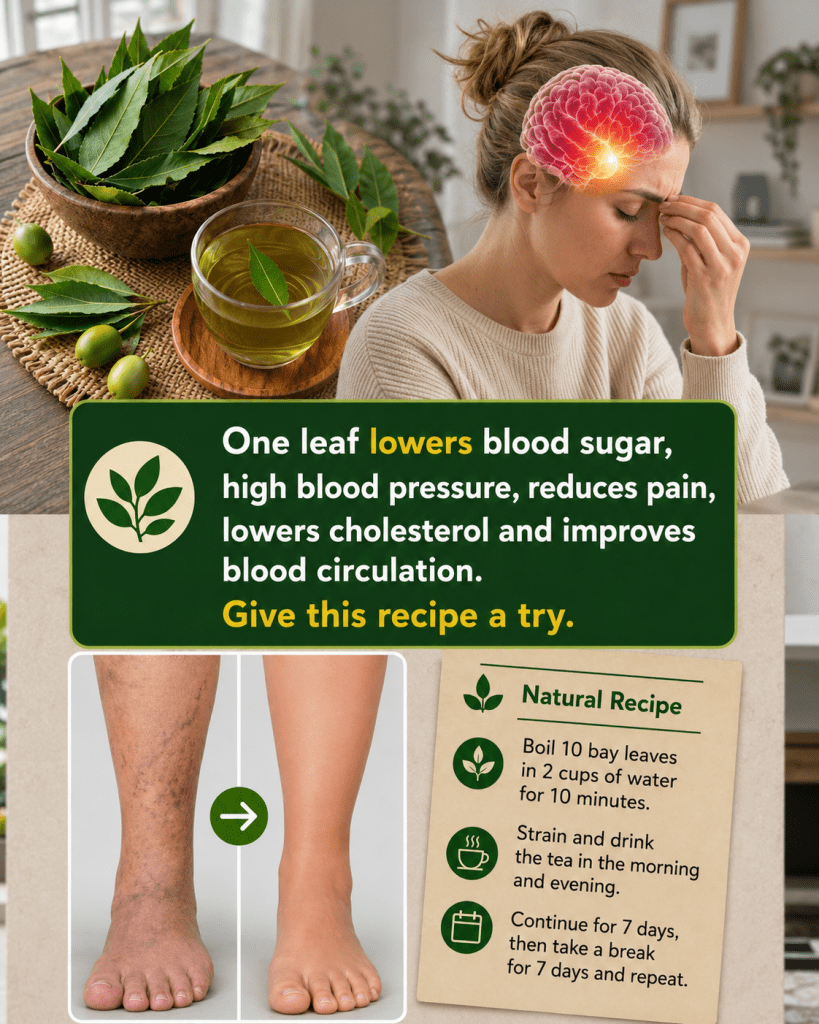
Nature’s Ancient Wellness Secret
For centuries, neem leaves have been valued in traditional wellness systems, particularly Ayurveda, for their wide range of natural properties. Often referred to as a “village pharmacy” in parts of Asia, the neem tree has been used for generations to support personal care, skin health, oral hygiene, and overall well-being.
Today, as more people explore plant-based wellness practices, neem continues to attract attention thanks to its rich concentration of antioxidants and naturally occurring bioactive compounds.
In this article, you’ll discover what neem leaves are, their traditional uses, potential wellness benefits, and safe ways to incorporate them into your routine.
🌱 What Is Neem?
Neem, scientifically known as Azadirachta indica, is a tropical evergreen tree native to the Indian subcontinent. Nearly every part of the tree—including its leaves, bark, seeds, flowers, and oil—has been used in traditional practices for centuries.
Neem leaves contain a variety of naturally occurring compounds, including:
✔ Flavonoids
✔ Polyphenols
✔ Antioxidants
✔ Plant compounds traditionally associated with antimicrobial activity
✔ Natural compounds studied for their role in supporting the body’s normal inflammatory response
These properties have contributed to neem’s long-standing reputation in traditional herbal wellness.
✅ Potential Benefits of Neem Leaves
1. Supports Natural Immune Wellness
The body is constantly exposed to environmental stressors. Antioxidants found in neem leaves may help protect cells from oxidative stress caused by free radicals.
Because of this, neem is often included in traditional wellness routines designed to support overall health and the body’s natural defenses.
2. Traditionally Used for Skin Health
One of neem’s most popular uses is in skincare.
Neem-based products are commonly found in cleansers, soaps, masks, and creams because they may help support:
• A balanced complexion
• Healthy-looking skin
• Occasional skin irritation relief
• Skin cleanliness and freshness
Many people appreciate neem as a natural addition to their skincare routine.
3. Contains Natural Plant Compounds with Antimicrobial Properties
Research has explored various compounds found in neem for their antimicrobial activity.
Traditionally, neem has been used to support:
• Oral hygiene
• Skin cleanliness
• General personal care practices
While neem should not replace professional treatment when needed, it remains a popular ingredient in natural wellness products.
4. Supports the Body’s Normal Inflammatory Response
Neem leaves contain plant compounds that have been studied for their potential role in supporting the body’s normal inflammatory processes.
Many herbal enthusiasts include neem in wellness routines aimed at promoting everyday comfort and overall balance.
5. May Support Digestive Wellness
Traditional wellness systems have long used neem to support healthy digestion and gut balance.
Some people use neem tea as part of a healthy lifestyle to promote:
• Digestive comfort
• General gut wellness
• A balanced digestive routine
As with any herbal product, moderation is important.
🍵 Simple Neem Leaf Tea Recipe
One of the easiest ways to enjoy neem leaves is by preparing a traditional herbal infusion.
Ingredients
- 4–6 fresh or dried neem leaves
- 1 cup (250 ml) water
Directions
- Bring the water to a gentle boil.
- Add the neem leaves.
- Allow the leaves to steep for 5–10 minutes.
- Strain the tea.
- Enjoy warm.
Because neem naturally has a bitter taste, some people choose to add a small amount of lemon or herbal ingredients to improve flavor.
🌿 Traditional Topical Use for Skin Care
Neem leaves may also be used externally.
A simple paste can be prepared by crushing fresh neem leaves and mixing them with a small amount of water.
Traditionally, this paste has been applied to the skin as part of natural beauty and personal care routines.
Always perform a patch test before applying any herbal preparation to larger areas of skin.
🌟 Additional Traditional Uses of Neem
Across different cultures, neem has traditionally been used to support:
✔ Oral hygiene routines
✔ Hair and scalp care
✔ Skin cleanliness
✔ Everyday wellness practices
✔ Natural household care
Its versatility is one reason neem remains highly valued in traditional lifestyles.
⚠️ Important Safety Considerations
Although neem is natural, responsible use is essential.
Consider the following precautions:
• Avoid excessive consumption.
• Pregnant or breastfeeding women should consult a healthcare professional before use.
• Individuals with existing medical conditions should seek professional advice before adding neem supplements to their routine.
• Concentrated neem extracts and oils should always be used according to product instructions.
• Discontinue use if irritation or sensitivity occurs.
Natural does not always mean risk-free, so moderation is important.
🥗 Lifestyle Tips to Complement Herbal Wellness
If your goal is to support overall health naturally, consider combining herbal practices with healthy habits:
🥦 Eat a nutrient-rich diet
🚶 Stay physically active
💧 Drink adequate water daily
😴 Prioritize quality sleep
🧘 Manage stress through relaxation techniques
🍎 Focus on whole, minimally processed foods
These habits often provide greater long-term benefits than relying on any single ingredient alone.
Frequently Asked Questions
Can neem cure diseases?
No. Neem should not be viewed as a cure or treatment for diseases. It is traditionally used as part of wellness practices and may support overall health when combined with healthy lifestyle habits.
Can I drink neem tea every day?
Moderate use is generally preferred. If you have health conditions or take medications, consult a healthcare professional before regular use.
Why is neem tea bitter?
Neem naturally contains plant compounds responsible for its characteristic bitter flavor. This bitterness is one of the reasons it has been valued in traditional herbal systems.
🌿 Final Thoughts
Neem leaves have been treasured for centuries in traditional wellness practices thanks to their rich antioxidant content and diverse natural compounds. From skincare and oral hygiene to digestive and immune support, neem remains one of the most respected herbal plants in many cultures.
When used responsibly and as part of a balanced lifestyle, neem may be a valuable addition to a natural wellness routine.
Nature offers many remarkable plants, and neem continues to stand out as one of the most versatile examples of traditional herbal wisdom.
Disclaimer: This article is intended for educational and informational purposes only. It is not medical advice and should not be used to diagnose, treat, cure, or prevent any disease. Always consult a qualified healthcare professional before starting any herbal remedy or supplement.