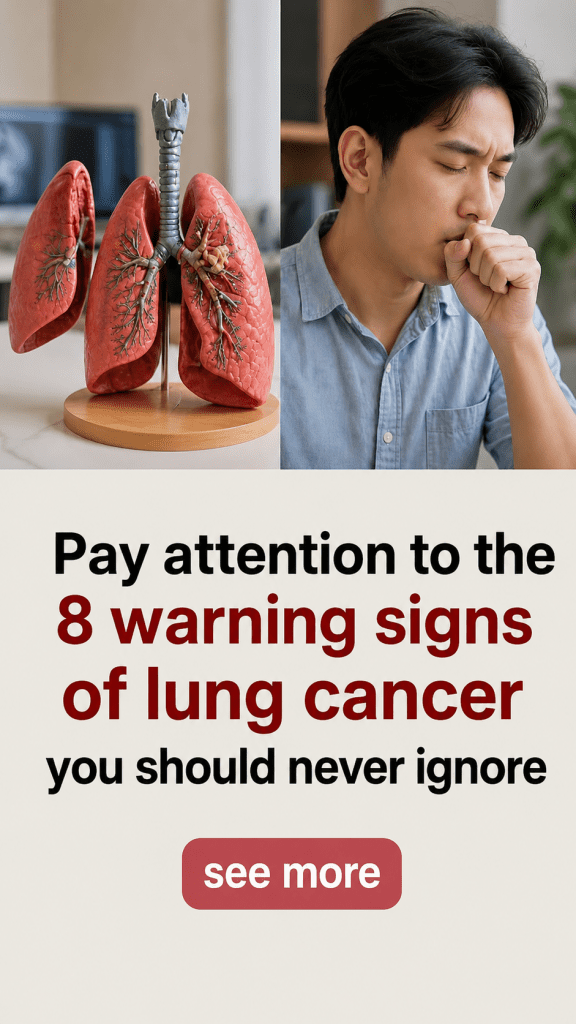
Lung cancer is one of the most common types of cancer worldwide. One of the biggest challenges is that its early symptoms can be subtle and are often mistaken for common respiratory conditions such as allergies, colds, or bronchitis.
While these symptoms do not necessarily mean someone has lung cancer, paying attention to persistent changes in your body can help you seek medical evaluation at the right time. Early diagnosis may provide more treatment options and improve ongoing care.
Below are eight warning signs that should not be ignored and when it may be appropriate to speak with a healthcare professional.
1. A Persistent Cough That Doesn’t Go Away
A cough that lasts for several weeks or gradually becomes worse deserves medical attention.
Watch for signs such as:
- A new cough lasting longer than 2–3 weeks
- A long-term cough that changes in sound or intensity
- Coughing episodes that become more frequent over time
Many conditions can cause a lingering cough, including infections or chronic lung diseases. However, if the cough continues without improvement, it’s important to discuss it with a healthcare provider.
2. Shortness of Breath During Everyday Activities
Feeling unusually breathless while walking short distances, climbing a few stairs, or doing routine tasks should not be overlooked.
Possible reasons include:
- Changes in the airways
- Reduced lung function
- Fluid buildup around the lungs
Regardless of the cause, unexplained shortness of breath should be evaluated, especially if it develops suddenly or worsens over time.
3. Coughing Up Blood
Even a small amount of blood when coughing requires prompt medical evaluation.
This may appear as:
- Mucus with streaks of blood
- Pink, red, or rust-colored sputum
Although several medical conditions can cause this symptom, it should never be ignored.
4. Persistent Chest, Back, or Shoulder Pain
Ongoing pain in the chest area may have many possible causes, but it deserves medical attention when it:
- Gets worse with deep breathing
- Increases during coughing
- Lasts for several days
- Spreads to the shoulders or upper back
Persistent discomfort should always be discussed with a healthcare professional.
5. Unexplained Weight Loss
Losing weight without changing your diet or exercise routine can sometimes signal an underlying health condition.
Warning signs include:
- Noticeable weight loss
- Reduced appetite
- Gradual weight loss without an obvious reason
This symptom can be linked to many different illnesses and should always be evaluated.
6. Ongoing Fatigue
Feeling exhausted even after getting enough sleep may indicate that your body is dealing with an underlying issue.
Look for:
- Low energy throughout the day
- Difficulty completing normal daily activities
- Persistent feelings of exhaustion
Long-lasting fatigue has many possible causes, but if it interferes with your daily life, it’s worth seeking medical advice.
7. Hoarseness or Changes in Your Voice
Voice changes that continue for several weeks may also require medical evaluation.
Signs include:
- Persistent hoarseness
- A weaker voice than usual
- Noticeable changes in vocal tone
Temporary hoarseness is often caused by infections, but if it doesn’t improve, a healthcare provider can determine the cause.
8. Loss of Appetite
A sudden decrease in appetite or feeling full after eating only a small amount may accompany various medical conditions.
Pay attention if you notice:
- Little interest in eating
- Feeling full very quickly
- Poor appetite lasting several days
When loss of appetite occurs alongside fatigue or unexplained weight loss, medical evaluation is recommended.
Why Early Diagnosis Matters
Lung cancer often develops quietly during its early stages, which is why many people are diagnosed only after the disease has progressed.
Identifying health concerns early may help provide:
- More opportunities for appropriate treatment
- A wider range of treatment options
- Better long-term medical monitoring
- Reduced risk of complications
Early evaluation does not guarantee a specific diagnosis, but it can help healthcare providers identify the cause of symptoms sooner.
When Should You See a Healthcare Provider?
Consider scheduling a medical appointment if you experience:
- A cough lasting more than several weeks
- Frequent shortness of breath
- Unexplained chest pain
- Coughing up blood
- Unintentional weight loss
- Two or more of the symptoms listed above occurring together
Remember that these symptoms can be caused by many conditions—not just lung cancer. Only a qualified healthcare professional can perform the appropriate evaluation and recommend any necessary tests.
Tips for Supporting Lung Health
In addition to regular medical checkups, these healthy habits may help support your respiratory system:
- Avoid smoking and exposure to secondhand smoke.
- Stay physically active with regular exercise.
- Eat a balanced diet rich in fruits, vegetables, and whole foods.
- Keep recommended vaccinations up to date.
- Seek medical care if respiratory symptoms persist or worsen.
Final Thoughts
The early signs of lung cancer can closely resemble those of common respiratory illnesses, making them easy to overlook. Paying attention to persistent changes in your body and seeking medical advice when symptoms do not improve is one of the best ways to protect your health.
While these symptoms do not automatically indicate lung cancer, they should not be ignored if they continue or become more severe. Early medical evaluation can help identify the cause and support timely, appropriate care.
