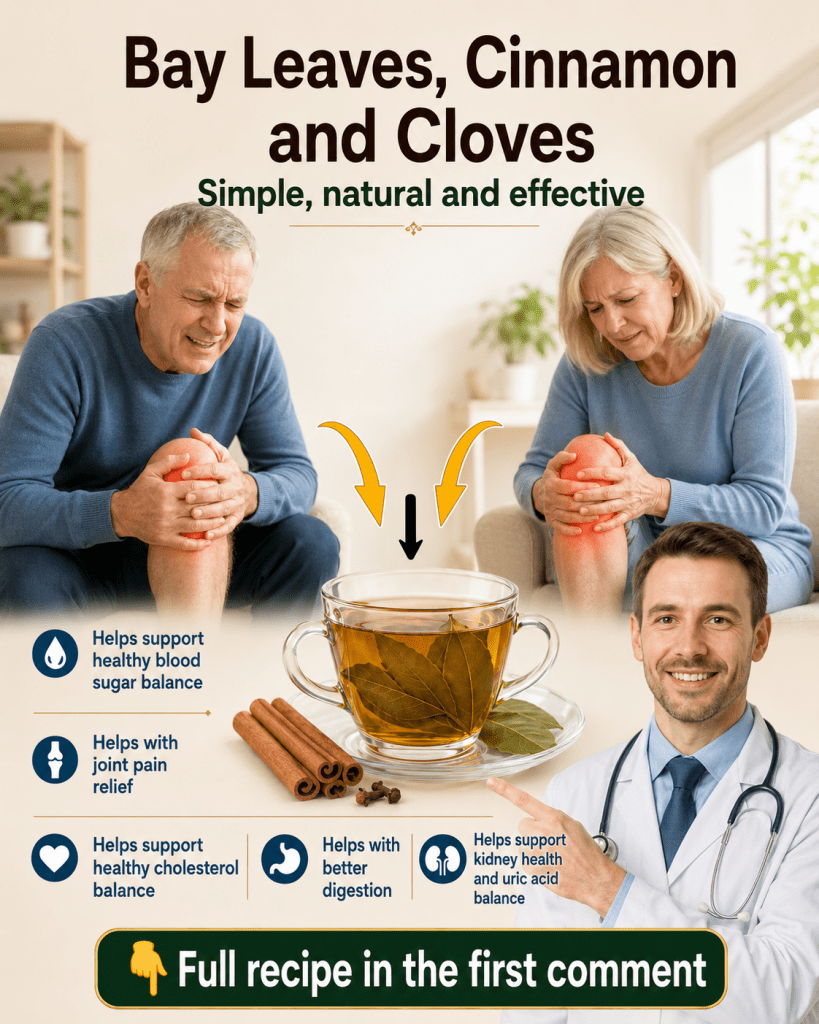
Bay Leaf Tea: A Traditional Herbal Drink for Everyday Wellness
Bay leaf tea has been enjoyed in many cultures for centuries as a warm, aromatic herbal beverage. Made from the leaves of Laurus nobilis (culinary bay leaves), this comforting tea is valued for its pleasant flavor and naturally occurring plant compounds that may support overall well-being.
If you’ve been feeling mentally tired, experiencing occasional digestive discomfort, or simply looking for a soothing caffeine-free drink, bay leaf tea may be a relaxing addition to your daily wellness routine.
Let’s explore how to prepare it, its traditional uses, potential health benefits, and a few important precautions.
What Is Bay Leaf Tea?
Bay leaf tea is prepared by gently simmering edible bay leaves in water. Many people also add cinnamon or a small amount of honey to create a richer flavor.
Culinary bay leaves naturally contain:
- Plant antioxidants
- Essential oils
- Vitamin A
- Vitamin C
- Potassium
- Calcium
- Small amounts of iron
These natural compounds have made bay leaves a popular ingredient in traditional herbal practices around the world.
Bay Leaf Tea Recipe
Ingredients
- 5 edible bay leaves (Laurus nobilis)
- 1 cinnamon stick
- 2 cups of water
- 1 teaspoon of honey (optional)
Directions
- Rinse the bay leaves thoroughly.
- Bring two cups of water to a gentle boil.
- Add the bay leaves and cinnamon stick.
- Reduce the heat and simmer for about 10 minutes.
- Remove from heat and let steep for another 5 minutes.
- Strain into a cup.
- Add honey if desired.
Serve warm and enjoy slowly.
Suggested Use
Many people enjoy:
- One cup in the morning
- One cup in the evening
Some traditional wellness routines recommend enjoying the tea for up to one week before taking a break.
There is no scientifically established dosage for bay leaf tea, so moderation is recommended.
Potential Benefits of Bay Leaf Tea
Although more human research is needed, bay leaf has been traditionally used to support several aspects of health.
1. May Encourage Relaxation
The pleasant aroma of bay leaves may help create a calming atmosphere and promote relaxation after a busy day.
2. May Support Healthy Digestion
Bay leaf tea has traditionally been used to help support digestive comfort and may help reduce occasional bloating after meals.
3. Provides Natural Antioxidants
Bay leaves contain antioxidant compounds that help protect cells from oxidative stress as part of a balanced diet.
4. A Comforting Drink During Cold Weather
A warm cup of herbal tea and its aromatic steam may provide soothing comfort when dealing with occasional seasonal congestion.
5. May Support Healthy Circulation
Some naturally occurring plant compounds found in bay leaves have been studied for their potential role in supporting normal blood vessel function, although more research is needed.
6. Contains Plant Compounds Associated with Anti-Inflammatory Activity
Laboratory studies suggest that certain compounds in bay leaves possess anti-inflammatory properties, but further clinical research is necessary to determine their effects in humans.
7. May Support Healthy Glucose Metabolism
Some preliminary studies have explored bay leaves for their possible role in supporting normal glucose metabolism. However, bay leaf tea should never replace medical treatment for diabetes.
8. May Support Respiratory Comfort
Traditionally, bay leaves have been used in herbal practices to promote comfortable breathing during seasonal illnesses.
9. May Promote Relaxation During Menstrual Discomfort
Some people enjoy warm herbal teas, including bay leaf tea, as part of a comforting self-care routine during menstruation.
10. May Support Normal Fluid Balance
Bay leaf tea has mild traditional diuretic properties that may support the body’s natural fluid balance.
11. May Encourage Better Evening Relaxation
A warm, caffeine-free herbal drink before bedtime may help create a calming nighttime routine that supports restful sleep.
12. Traditionally Used to Support Liver Wellness
In many traditional herbal systems, bay leaves have been included in general wellness practices that support normal liver function. Scientific evidence remains limited.
13. May Support Mental Clarity
The pleasant aroma of bay leaves may contribute to feelings of alertness and improved mood during daily activities.
14. May Support Urinary Tract Wellness
Because of its mild diuretic effect, bay leaf tea is traditionally used to support normal urinary function.
15. May Complement a Healthy Metabolism
Supporting comfortable digestion may help the body make efficient use of nutrients as part of an overall healthy lifestyle.
16. May Help Soothe Occasional Mild Headaches
Some traditional herbal practices use bay leaves for their naturally calming properties, although scientific evidence is limited.
17. Supports Overall Wellness Through Antioxidants
Its naturally occurring antioxidants may contribute to protecting healthy cells from everyday oxidative stress.
18. May Freshen Breath Naturally
Bay leaves contain aromatic oils that can help leave the mouth feeling refreshed after drinking the tea.
19. May Support Hair and Scalp Health
The vitamins, minerals, and antioxidants found in bay leaves contribute to overall nutrition, which is important for healthy hair and skin.
20. A Simple Ritual That May Boost Daily Well-Being
Sometimes, taking a few quiet minutes to enjoy a warm herbal tea can become a relaxing habit that supports overall wellness and mindfulness.
Why These Ingredients Are Popular
Bay Leaves
Edible bay leaves naturally provide:
- Antioxidants
- Vitamin A
- Vitamin C
- Potassium
- Calcium
- Iron
- Aromatic essential oils
These compounds contribute to the herb’s long history of traditional use.
Cinnamon
Cinnamon contains cinnamaldehyde, a naturally occurring compound studied for its antioxidant and antimicrobial properties.
It also adds a pleasant, warming flavor to the tea.
Honey
Honey is a natural sweetener that contains small amounts of antioxidants and gives the tea a smooth, comforting taste.
Important Precautions
Although bay leaf tea is generally enjoyed in moderation, keep these precautions in mind.
Pregnancy and Breastfeeding
Consult a healthcare professional before consuming herbal teas regularly during pregnancy or while breastfeeding.
Allergies
Avoid this tea if you have a known allergy to bay leaves or any ingredient in the recipe.
Medication Interactions
Bay leaves may interact with certain medications, particularly those related to blood sugar or blood clotting. If you take prescription medication, speak with your healthcare provider before adding herbal remedies to your routine.
Long-Term Daily Use
There is limited research on prolonged daily consumption. It’s generally best to enjoy bay leaf tea in moderation rather than continuously for extended periods.
Use Only Culinary Bay Leaves
Always use edible Laurus nobilis leaves intended for cooking. Some ornamental plants commonly called “bay” are not safe to consume.
Tips for Enjoying Bay Leaf Tea
- Use fresh, high-quality culinary bay leaves.
- Pair the tea with a balanced diet rich in fruits and vegetables.
- Stay physically active and drink enough water throughout the day.
- Think of herbal tea as one part of an overall healthy lifestyle—not a substitute for medical care.
Final Thoughts
Bay leaf tea is a traditional herbal beverage appreciated for its warm aroma, comforting flavor, and naturally occurring plant compounds. Whether you’re looking to unwind after a busy day, support digestive comfort, or simply enjoy a soothing caffeine-free drink, this simple recipe can be a pleasant addition to a balanced lifestyle.
Rather than expecting dramatic results, consider bay leaf tea as one small habit that may contribute to your overall sense of wellness when combined with nutritious eating, regular movement, quality sleep, and healthy daily routines.
Disclaimer: This article is for educational purposes only and is not intended to diagnose, treat, cure, or prevent any disease. It should not replace professional medical advice, diagnosis, or treatment. Always consult a qualified healthcare provider before using herbal remedies, especially if you have a medical condition, are pregnant or breastfeeding, or take prescription medications.
