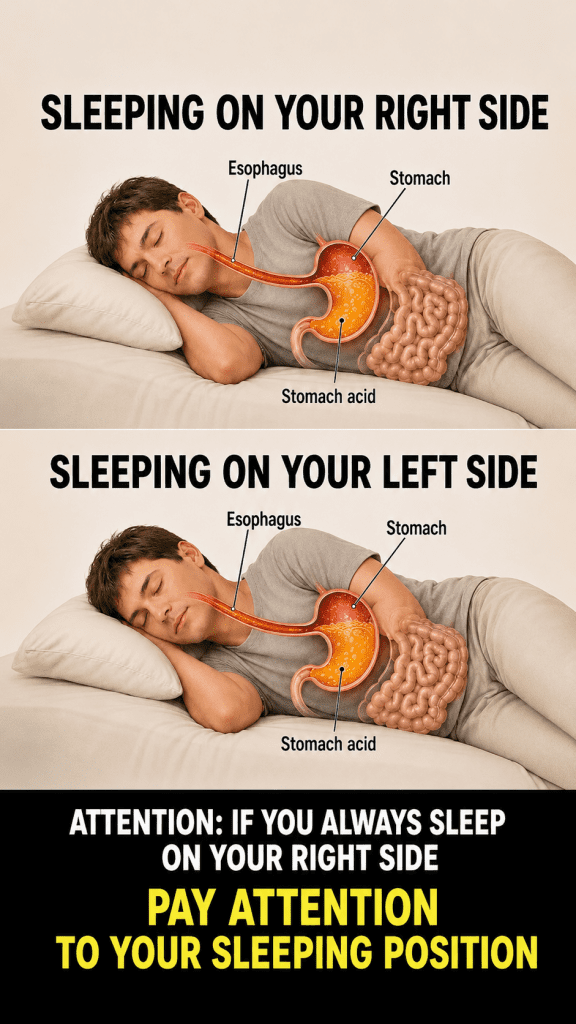
Sleep is one of the most important foundations of overall health and well-being. Yet many people rarely think about the position they spend several hours in every night. Surprisingly, your sleeping posture may influence comfort, digestion, spinal alignment, and the overall quality of your rest.
You’ve probably heard that sleeping on your left side is “better” than sleeping on your right. But is that true for everyone? The answer is more balanced than many people realize.
In this guide, you’ll learn how different sleeping positions may affect your body, discover the potential advantages of each, and find simple ways to identify the sleeping posture that feels best for you.
Is Sleeping on Your Right Side Bad?
For most healthy adults, the answer is no.
Sleeping on the right side is extremely common and feels natural for many people. In fact, it can be one of the easiest positions for falling asleep after a long day.
How your body responds depends on several personal factors, including:
- Your body shape and build
- Your daily habits
- The quality of your mattress and pillow
- Existing health conditions
- Your preferred sleeping position over many years
Rather than labeling one side as “good” or “bad,” it’s more helpful to pay attention to how you feel after waking up.
Why Do Many People Prefer Sleeping on the Left Side?
Although there isn’t one perfect sleeping position for everyone, many sleep experts note that some people feel more comfortable sleeping on their left side.
Some commonly reported benefits include:
✅ A more comfortable feeling after dinner
✅ Less nighttime digestive discomfort for some individuals
✅ A relaxed and stable sleeping posture
✅ A greater sense of body comfort during sleep
✅ Feeling more refreshed upon waking
Many people naturally roll onto their left side during the night without even realizing it.
However, everyone’s body responds differently, so comfort remains the most important factor.
What About Sleeping on Your Back?
Back sleeping is another popular position.
For many people, it helps keep the head, neck, and spine in a more neutral alignment when supported by an appropriate pillow.
Possible advantages include:
- More even weight distribution
- Reduced pressure on certain joints
- Better spinal alignment for some sleepers
However, people who frequently snore or experience nighttime breathing difficulties may find this position less comfortable.
Again, the best sleeping position is the one that allows you to wake up feeling rested.
How to Find Your Best Sleeping Position
There isn’t one universal sleeping posture that works for everyone.
Instead, try listening to your body’s signals.
1. Notice How You Feel in the Morning
Ask yourself:
- Do I wake up refreshed?
- Does my neck feel stiff?
- Are my shoulders sore?
- Is my back comfortable?
Your morning comfort can provide valuable clues.
2. Watch for Muscle Tension
If you regularly wake up with:
- neck pain
- shoulder tightness
- lower back discomfort
it may be worth experimenting with a different sleeping position.
3. Try Different Positions
Spend several nights sleeping:
- on your left side
- on your right side
- on your back
Pay attention to which position helps you feel most rested.
4. Check Your Pillow and Mattress
Sometimes the issue isn’t your sleeping position at all.
An unsupportive mattress or an improperly sized pillow can significantly affect sleep quality.
Small adjustments can make a noticeable difference.
Healthy Habits That May Improve Sleep Quality
Your sleeping position is only one piece of the puzzle.
Simple bedtime habits can also support more restful sleep.
Consider:
🌙 Going to bed and waking up at consistent times.
🌙 Avoiding heavy meals shortly before bedtime.
🌙 Limiting screen time before sleep.
🌙 Keeping your bedroom quiet, dark, and comfortably cool.
🌙 Practicing gentle relaxation techniques such as deep breathing, meditation, or reading.
These habits often contribute to better sleep over time.
Is Sleeping on Your Right Side Dangerous?
For most healthy people, no.
Sleeping on your right side is simply a personal preference for millions of people around the world.
However, if you frequently experience:
- recurring heartburn
- nighttime acid reflux
- breathing discomfort
- persistent sleep disruption
- waking up feeling exhausted
you may benefit from trying different sleeping positions and discussing your symptoms with a qualified healthcare professional for personalized advice.
Listen to Your Body
Every person’s sleep pattern is unique.
Instead of following rigid rules, focus on how you feel after a night’s sleep.
Your body often provides the best feedback about which position supports your comfort and rest.
Even small adjustments—combined with healthy sleep habits—may improve sleep quality over time.
Frequently Asked Questions
Is sleeping on the right side unhealthy?
Generally, no. Most healthy adults can comfortably sleep on their right side without problems related solely to sleep posture.
Is sleeping on the left side always better?
Not necessarily. While some people find the left side more comfortable, the ideal sleeping position varies from person to person.
Is sleeping on your back the healthiest option?
It can be beneficial for some individuals by promoting spinal alignment, but not everyone sleeps comfortably in this position.
Is it normal to change positions during the night?
Yes. Most people naturally change positions several times while sleeping, often without realizing it.
Final Thoughts
Whether you sleep on your right side, left side, or back, no single position guarantees perfect sleep.
The goal is to find a posture that allows your body to relax, recover, and wake up feeling refreshed.
Combining a comfortable sleeping position with healthy bedtime habits can contribute to better sleep quality, improved energy, and overall well-being over time.
Disclaimer
This article is intended for informational and educational purposes only. It is not a substitute for professional medical advice, diagnosis, or treatment. If you experience persistent sleep problems, frequent pain, significant acid reflux, breathing difficulties during sleep, or other ongoing symptoms, consult a qualified healthcare professional for an individualized evaluation.