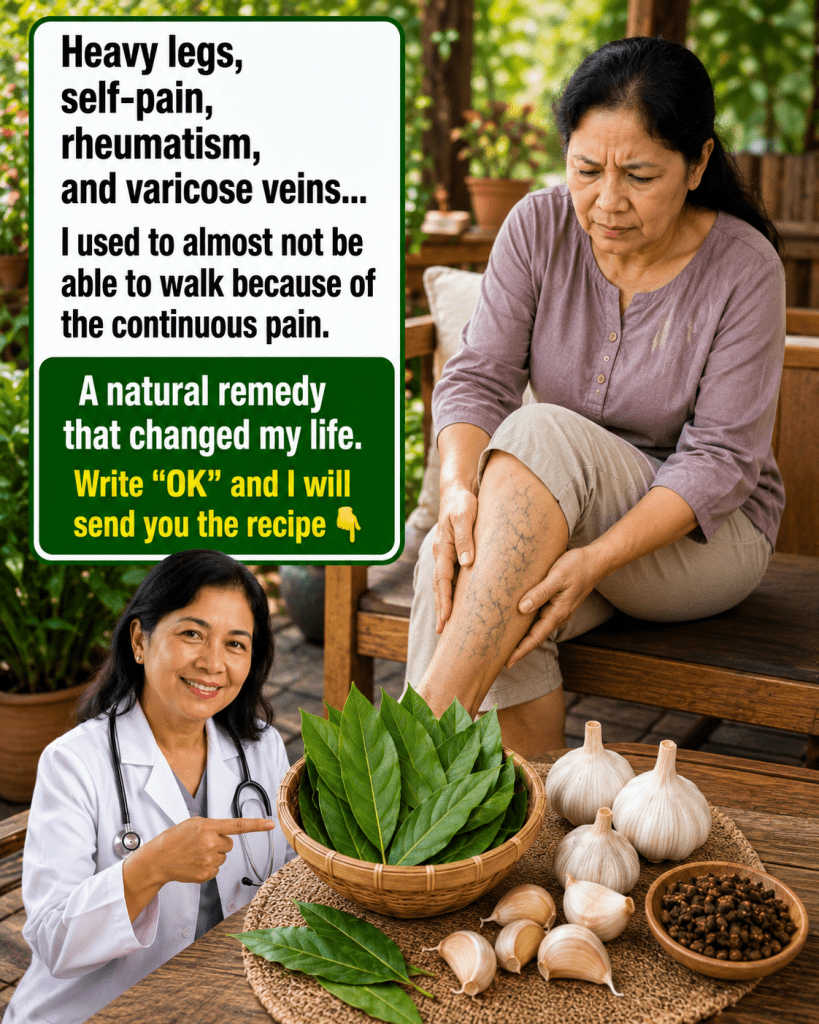
Meta Description
Discover common daily habits that may contribute to heavy legs and varicose veins. Learn practical lifestyle tips that can support healthy circulation and improve everyday leg comfort.
Leg Pain and Varicose Veins: Everyday Habits You May Not Realize Are Affecting Your Legs
Have you ever stood up after sitting for a while and noticed your legs felt unusually heavy or tired?
Perhaps you’ve started seeing more visible veins, feel discomfort after a long day, or avoid wearing shorts because you’re self-conscious about your legs.
You’re not alone.
Many people assume these changes are simply an unavoidable part of getting older. While age can play a role, lifestyle habits often influence how your legs feel each day—and the encouraging news is that small, consistent changes may help improve comfort over time.
Let’s explore why leg discomfort and varicose veins develop, the habits that may contribute to them, and practical ways to support healthier circulation.
What Are Varicose Veins?
Veins carry blood back to the heart using tiny one-way valves that help keep blood moving upward.
Over time, these valves may become less efficient. When that happens, blood can collect in the veins of the legs, increasing pressure and causing veins to enlarge and become more noticeable.
People commonly describe symptoms such as:
✔ Heavy legs
✔ Tired or aching legs
✔ Mild swelling
✔ Burning or throbbing sensations
✔ Visible twisted or enlarged veins
Symptoms vary widely. Some people experience only occasional discomfort, while others notice symptoms more frequently.
Common Risk Factors
Several factors may increase the likelihood of developing varicose veins or experiencing heavy legs.
These include:
- Sitting for long periods
- Standing for extended hours
- Limited physical activity
- Excess body weight
- Pregnancy and hormonal changes
- Family history
- Wearing shoes that provide inadequate support
While some risk factors cannot be changed, many daily habits can.
Everyday Habits That May Contribute to Leg Discomfort
Sometimes it isn’t one major factor—but many small habits repeated every day.
Modern lifestyles often involve long hours of sitting, screen time, and limited movement, all of which may affect circulation.
Examples include:
- Watching television for hours without getting up
- Sitting at a desk all day
- Using a phone or computer for extended periods
- Remaining in the same position too long
Over time, these habits may contribute to feelings of heaviness or fatigue in the legs.
Commonly Overlooked Habits
✔ Sitting or standing without moving for long periods
✔ Frequently crossing your legs
✔ Wearing very tight clothing around the waist or legs
✔ Not drinking enough water
✔ Resting without elevating your legs
While these habits don’t directly cause varicose veins on their own, improving them may help support better circulation and everyday comfort.
Daily Habits and Their Possible Effects
| Habit | Possible Effect |
|---|---|
| Sitting for long periods | Heavy, tired legs |
| Poor sitting posture | Slower circulation |
| Inadequate hydration | Fluid retention |
| Tight clothing | Increased pressure on circulation |
| Limited movement | Muscle fatigue and stiffness |
Can Garlic or Cloves Help?
Natural ingredients such as garlic, cloves, and other herbs are often discussed on social media for supporting circulation.
These foods have been traditionally used in many cultures and contain beneficial plant compounds.
For example:
🧄 Garlic contains sulfur compounds and antioxidants that may support overall cardiovascular health as part of a balanced diet.
🌿 Cloves provide antioxidants and naturally occurring plant compounds that contribute to overall wellness.
However, it’s important to keep expectations realistic.
Natural Foods May:
✔ Complement a healthy eating pattern
✔ Provide helpful nutrients and antioxidants
✔ Support overall wellness
They Cannot Replace:
❌ Regular physical activity
❌ Healthy lifestyle habits
❌ Professional medical evaluation when needed
❌ Individualized treatment recommended by a healthcare provider
No single food or home remedy can eliminate varicose veins.
Simple Daily Habits That May Help
The most meaningful improvements often come from consistent daily routines rather than dramatic changes.
🚶 Walk Every Day
A 20–30 minute walk can encourage healthy blood flow and activate the calf muscles, which help pump blood back toward the heart.
Even a relaxed pace is beneficial.
🦵 Elevate Your Legs
When resting, try raising your legs slightly above heart level for 10–15 minutes.
This simple habit may help reduce feelings of heaviness after a long day.
🔄 Avoid Staying Still Too Long
If you sit most of the day:
- Stand up every 30–60 minutes
- Stretch your calves and ankles
- Take a short walk whenever possible
If your job requires standing, shift your weight regularly and take movement breaks when you can.
💧 Stay Hydrated
Drinking enough water supports many normal body functions and may help reduce fluid retention in some people.
🧦 Consider Compression Stockings
For certain individuals, healthcare professionals may recommend compression stockings to support circulation and improve leg comfort.
Always choose the correct size and follow professional guidance.
Other Helpful Lifestyle Tips
Small adjustments can make a noticeable difference over time.
Consider:
✔ Wearing comfortable, supportive shoes
✔ Maintaining a healthy weight
✔ Avoiding excessive heat exposure to the legs
✔ Sleeping with your legs slightly elevated if recommended
✔ Including plenty of fruits, vegetables, whole grains, and lean proteins in your diet
Consistency is often more important than perfection.
When Should You Seek Medical Advice?
Not all leg pain has the same cause.
It’s important to speak with a healthcare professional if you notice:
⚠ Persistent or worsening pain
⚠ Swelling that doesn’t improve
⚠ Skin discoloration or sores
⚠ Frequent burning or warmth in one area
⚠ Difficulty walking or performing normal activities
Prompt evaluation can help identify the underlying cause and determine the most appropriate care.
Frequently Asked Questions
Is it normal for my legs to feel heavy every day?
Heavy legs are common, especially after long periods of sitting or standing. However, if symptoms persist or worsen, it’s a good idea to discuss them with a healthcare professional.
Can natural remedies cure varicose veins?
Natural foods and healthy lifestyle habits may support overall vascular health, but they cannot eliminate existing varicose veins.
Does walking really improve circulation?
Yes. Regular walking activates the leg muscles, which play an important role in helping blood return to the heart and may reduce feelings of heaviness.
Final Thoughts
Heavy legs and varicose veins aren’t always an inevitable part of aging.
In many cases, everyday habits can influence how your legs feel. While there is no instant solution, consistent lifestyle choices may help support healthy circulation and improve daily comfort.
Simple steps can make a meaningful difference:
✅ Move more throughout the day
✅ Stay well hydrated
✅ Improve posture
✅ Elevate your legs when resting
✅ Listen to your body’s signals
The biggest secret isn’t a miracle remedy—it’s the power of small, sustainable habits practiced consistently over time.
Disclaimer
This article is provided for informational and educational purposes only and is not intended to replace professional medical advice, diagnosis, or treatment. If you have persistent leg pain, significant swelling, skin changes, or concerns about varicose veins, consult a qualified healthcare professional for personalized evaluation and care.